
Canada’s well-heeled public relations campaign does not change the fact that these pipelines and tanker traffic dishonors and endangers the rights and lifeways of First Nations on both sides of the border. It is also a kick in the teeth for those who are concerned about accelerating climate change and dramatically compromises Canada’s leadership role on the issue.
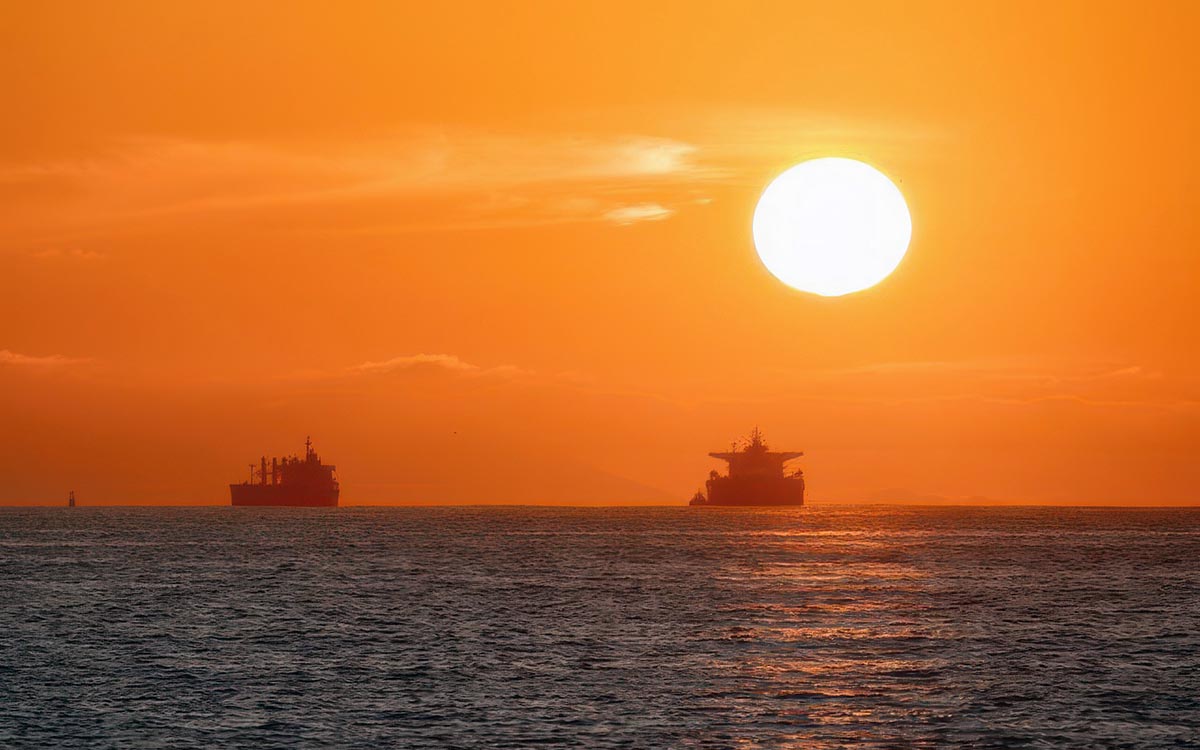
In 2026, the Canadian government continues to roll over First Nations for Big Oil. In the Salish Sea, these impacts are seen through the devastation of the Transmountain Pipeline project, the proposed dredging of Burrard Inlet, and the dramatic increase in tankers carrying toxic tar sands oil out.
Speaking on the impacts by these industries, Rueben George of the Tsleil-Waututh Nation says,
"Water is our mother, and the fossil fuel industries are causing damage to our mother in violation of our law. [...] Prior to colonization, 85% of our diet came from these waters. [...] We used to say that when the tide was out, the table was set.”
The Tsleil-Waututh Nation is only one instance of an Indigenous community who have been impacted by colonization. When the Trans Mountain Pipeline was first built in the 1950s, Canada’s Indian Act prohibited the Tsleil-Waututh people from having legal counsel. In the current day, there are many polluting industries along the Burrard Inlet, including oil refineries and shipping of coal. Yet, Tribes and First Nations are leading environmental stewardship with this reciprocal relationship to the land and waters. Despite the damages of industry enabled by the Canadian government, the Tsleil-Waututh Nation is leading environmental stewardship in their territories – cleaning the inlet, reintroducing elk, and raising salmon counts.
Speaking about Indigenous communities across Turtle Island, Rueben George shares, “We’ve had our lands stolen, food systems disrupted, and our environments degraded. [...] Nations are told that certain projects or developments are going to happen one way or another, so they might as well get some money out of the deal; along with that money comes toxic infrastructure that makes their people ill.”
“Canada and the big multinational corporations are milking resources from our lands [...] If they are operating within our territory, they must abide by our law and governance policies. [...] That’s what we told Trudeau, that’s what we told Harper; we’ve been telling this to Canadian society for many generations, trying to teach them a better way.” Thus, the Seven Sisters campaign is a call on all spiritual organizations across North America for a cultural movement of land, water, and life.
Learn More
- Read "It Stops Here" by Rueben George, with Michael Simpson
- Media Release: Tsleil-Waututh Nation Files Judicial Review of the Dredging Works
- History of the Trans Mountain Pipeline
Take Action
Sign up for Friends of San Juan action alerts and the Wilderness Committee newsletter to stay informed about opportunities to participate and make your voice heard.
If you live near the Burrard Inlet or based in Canada, you can send an email / letter to your MLA, MP, or city councillor to support Tsleil-Waututh Nation’s opposition to the dredging of Burrard Inlet
