
Imminent dredging in the Salish Sea threatens endangered whales and violates inherent rights of Indigenous Peoples
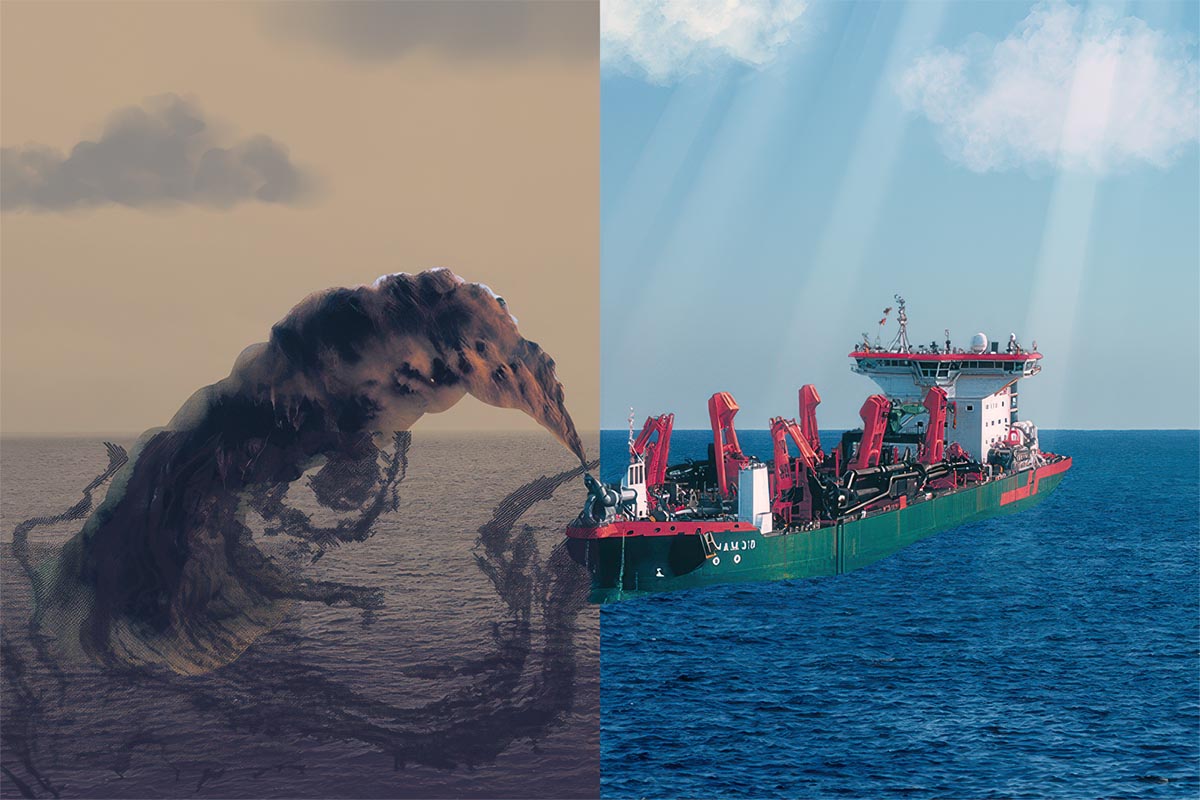
Dredging in the Salish Sea has immediate, existential impacts on marine life, such as the endangered Southern Resident Killer Whale, whilst the continued industrial expansion infringes upon Indigenous rights, title, and interests. This degradation is compounding across borders, leading to long-term economic and ecological costs.
The dredging of the Burrard Inlet is a threat to the Salish Sea, which is one of the largest, most biodiverse marine ecosystems in the world and stretches across the coastal waters of BC and Washington. Dredging increases oil tanker capacity, disturbs contaminated sediments and releases toxins that threaten federally protected salmon, shellfish, and marine mammals. The Inlet has already faced cumulative impacts from decades of industrialization, shoreline alteration, and sediment contamination. The dredging project will change marine shipping patterns, worsen cumulative effects such as oil spill risk and shoreline erosion, and threaten critical habitat for the endangered Southern Resident killer whale struggling due to these industrial impacts.
The Burrard Inlet lies within the traditional, unceded territory of the Tsleil-Waututh Nation, and is an important site for TWN culturally, spiritually, historically, economically, and ecologically. Thus, this dredging undermines Canada’s commitment to the United Nations Declaration on the Rights of Indigenous Peoples. The whales are returning from the stewardship of the Tsleil-Waututh Nation to restore the health of the Inlet, yet the dredge and related impacts threaten to undo all of that progress. In July 2026, the Tsleil-Waututh Nation filed a judicial review to overturn the Vancouver Port Authority’s permit to dredge the Inlet.
“Tsleil-Waututh has a sacred stewardship obligation, a responsibility to care for our lands, air and waters,” says Chief Justin George of the Tsleil-Waututh Nation. “[..] our concerns were ignored, leaving us no choice but to go to court to protect our territory and interests. A well-planned economic initiative needs to include addressing and accommodating impacts to Tsleil-Waututh’s inherent and constitutionally-protected rights. That did not happen here.”
The impact of the dredging extends to U.S. waters in Washington State, as fish stocks are transboundary. Seattle and Tacoma rely on dredging for shipping and trade. Treaty-protected fishing rights for the Lummi Nation are economically threatened as salmon populations decline. Thus, habitat degradation from dredging affects both nation’s economies and strains the Pacific Salmon Treaty agreements.
Learn More
- Media Release: Tsleil-Waututh Nation Files Judicial Review of the Dredging Works
- Research and Stewardship in the Burrard Inlet
- History of the Trans Mountain Pipeline
Take Action
Sign up to to stay informed about opportunities to participate & take action:
If you live near the Burrard Inlet or based in Canada, you can send an email / letter to your MLA, MP, or city councillor to support Tsleil-Waututh Nation’s opposition to the dredging of Burrard Inlet
